WordCamp Malaysia 2025: What Actually Stood Out (Beyond the Talks)
They are the kind of person who quietly builds websites and plugins late into the night, solves strange bugs without fanfare and rarely feels the need to brag about it. Deep down, they worry that the endless stream of updates, CSS tweaks and client requests they handle every day isn’t always seen as “real work.” Some part of them still hopes that there is a place where all of this – the code, the community, the care – actually makes sense. They start out feeling unsure and somewhat invisible, and by the end they feel affirmed and connected.


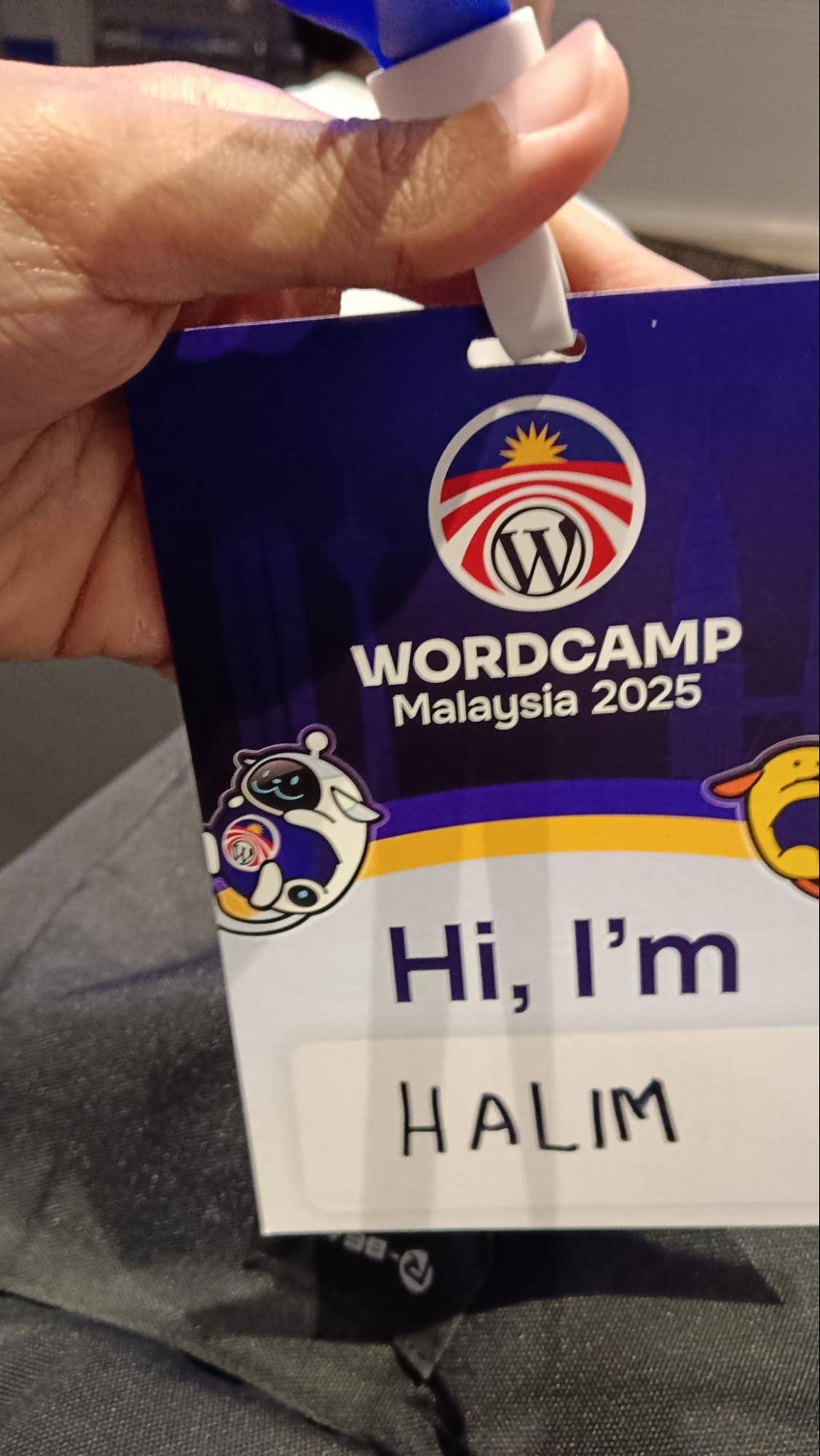
When you spend years in front of a screen refining layouts, fixing edge cases and cobbling together features, it’s easy to forget that there’s a community behind all this work. In my corner of the internet, WordPress is often reduced to “just a CMS.” It powers more than 43% of all websites, yet the people who make it run are rarely celebrated. So when WordCamp Malaysia 2025 rolled around in Kuala Lumpur, I decided to attend with no expectations. Sunway University’s halls were filled with developers, marketers, designers and bloggers. For once, the room spoke my language.
The main conference day took place on 8 December 2025 – it ran from 8 am to 6 pm at Sunway University (tickets). Tickets had sold out weeks earlier and major sponsors such as Bluehost, Exabytes and Kinsta supported the event, signalling how seriously this regional WordCamp was taken. A few days after the conference, the organisers published a heartfelt wrap‑up thanking everyone who attended and noting that the weekend was filled with “passion, learning, collaboration and the true spirit of the WordPress community” (wrap‑up). Reading that recap made me realise the event wasn’t just another tech conference – it was an affirmation of why we build.
Walking into WordCamp, I felt torn. On one hand, WordPress dominates the web – it powers more than two‑thirds of CMS‑based sites (stats). On the other hand, in many workplaces WordPress developers feel invisible. We juggle roles – developer, designer, troubleshooter, sometimes even therapist – yet rarely get credit for the invisible parts. During the Contributor Day recap, the organisers highlighted how newcomers, mentors and experienced contributors worked side by side across code, design, documentation and translation teams (Contributor Day). Seeing those collaborations made me question why so many of us downplay our own work.


The clarity came through conversations and talks. Sessions ranged from SEO strategies to AI‑powered workflow automation. Speakers emphasised doing small things better rather than chasing trends – showing work‑in‑progress when you don’t have clients yet, explaining your thinking instead of just the final product, and using AI to reduce mental overhead. The official wrap‑up post thanked speakers for sharing “valuable lessons, fresh perspectives and meaningful conversations” (wrap‑up). The conference day announcement urged attendees to learn something new, connect with the community and capture the moments (conference announcement). Underneath the buzzwords was a simple truth: we gain clarity when we stop building alone.
Here’s what I plan to do next:
- Find or create your community. Events like WordCamp prove there are people who understand what you do. If you missed Kuala Lumpur, look out for local meet‑ups or online Slack channels. Building alone doesn’t have to mean being alone.
- Share your process, not just your product. In sessions, speakers reminded us that potential clients and collaborators care about how you think. Use a blog, LinkedIn or even Instagram Stories to show behind‑the‑scenes – messy notes, whiteboard sketches, half‑finished prototypes. It builds trust faster than polished portfolios.
- Contribute, even in small ways. The Contributor Day recap emphasised that no effort was too small and that friendships formed over shared goals (Contributor Day). You don’t need to write core patches to make an impact. Translate documentation, test plugins, answer support questions or mentor a newbie. It all adds up to a stronger ecosystem.
By the time I left WordCamp Malaysia 2025, I realised that our quiet work does matter. Organisers, sponsors, speakers and volunteers poured their energy into making the event special (wrap‑up). The organisers ended their wrap‑up post by saying they were “full of gratitude and excitement for what’s next.” That sentiment rings true for me too. Whether you attended this WordCamp or quietly followed along from your desk, know that you’re part of a global network that keeps the open web running. And if this feels like something you’ve been carrying quietly too, feel free to share it with someone.